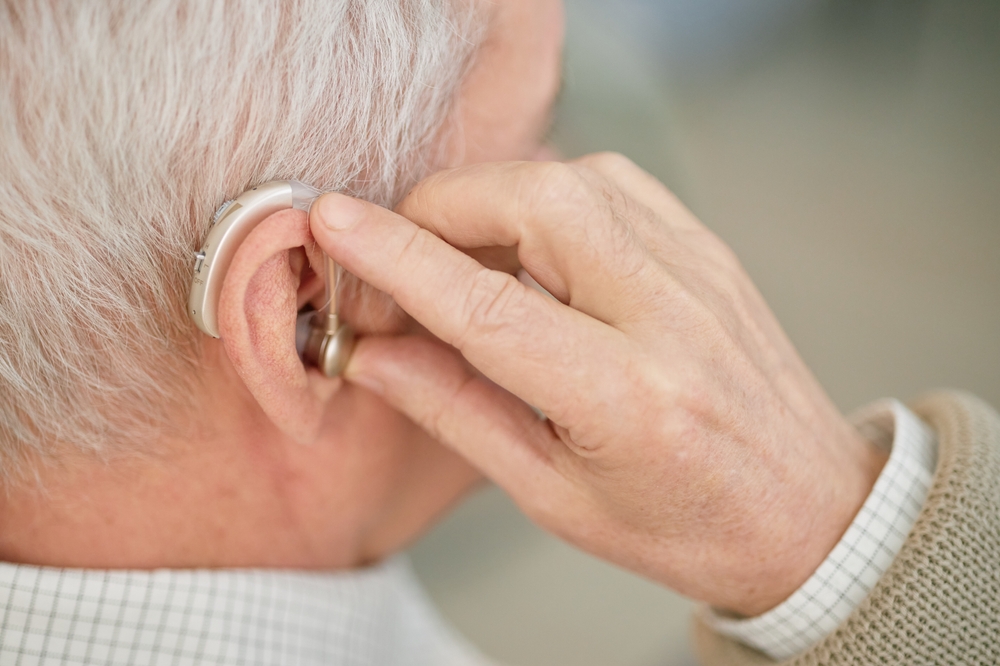
Hearing aids are small electronic devices designed to support individuals experiencing hearing loss by amplifying and processing sound. They come in various styles, technologies, and configurations, each suited to different hearing needs, lifestyles, and preferences. Understanding how hearing aids work, what types are available, and what factors influence their use can help individuals make informed decisions. This guide provides a clear, educational overview of hearing aids without replacing professional hearing evaluation.
What Are Hearing Aids?
Hearing aids are electronic devices worn in or behind the ear that help make sounds more accessible to individuals with hearing loss. They are designed to amplify specific frequencies based on a person’s hearing profile.
In clinical hearing-care settings, hearing aids are typically programmed to match the user’s hearing needs rather than simply making all sounds louder. This tailored approach helps improve speech clarity while minimizing background noise in certain environments.
How Do Hearing Aids Work?
Hearing aids generally consist of three main components:
-
Microphone: Captures sound from the environment
-
Amplifier/Processor: Adjusts and enhances the sound signals
-
Speaker (Receiver): Delivers the processed sound into the ear
Modern hearing aids use digital processing to analyze incoming sounds in real time. Based on commonly accepted audiology practices, these devices can distinguish between speech and background noise, applying different amplification strategies depending on the listening situation.
Types of Hearing Aids
Behind-the-Ear (BTE)
These devices sit behind the ear and connect to an earmold or dome inside the ear canal.
-
Suitable for a wide range of hearing levels
-
Often easier to handle and maintain
-
Typically accommodates more features and battery capacity
Receiver-in-Canal (RIC)
A variation of BTE, where the speaker sits inside the ear canal.
-
Smaller and more discreet than traditional BTE
-
Often provides natural sound quality
-
Commonly used for mild to moderate hearing loss
In-the-Ear (ITE)
Custom-made to fit the outer ear.
-
Larger than in-canal styles but easier to insert
-
May include additional controls
-
Suitable for mild to severe hearing loss
In-the-Canal (ITC) and Completely-in-Canal (CIC)
These are smaller, more discreet devices that fit partially or fully inside the ear canal.
-
Less visible when worn
-
May have fewer features due to size constraints
-
Can be more sensitive to earwax and moisture
Note: The most suitable style depends on individual factors such as hearing level, dexterity, and comfort preferences.
Key Features and Technologies
Digital Sound Processing
Modern hearing aids convert sound into digital signals, allowing precise adjustments across frequencies.
Noise Reduction
These systems attempt to reduce steady background sounds, such as fans or traffic noise, improving listening comfort.
Directional Microphones
Help focus on sounds coming from a specific direction, often useful in conversations.
Feedback Management
Reduces whistling sounds that may occur due to sound leakage.
Connectivity Features
Some devices can connect with smartphones or other devices, allowing audio streaming and adjustments through apps.
Important: The effectiveness of these features can vary depending on the listening environment and individual hearing characteristics.
Who May Benefit from Hearing Aids?
Hearing aids may be helpful for individuals experiencing:
-
Difficulty understanding speech, especially in noisy environments
-
Frequently asking others to repeat themselves
-
Turning up volume levels higher than others find comfortable
-
Feeling that others are mumbling
Audiology professionals generally recommend a hearing evaluation to determine whether hearing aids are appropriate and to identify the type and degree of hearing loss.
What to Expect When Getting Hearing Aids
Hearing Evaluation
A hearing assessment typically measures how well different frequencies are heard. This forms the basis for device programming.
Device Selection
Based on commonly accepted audiology practices, selection considers:
-
Hearing needs
-
Ear anatomy
-
Lifestyle (quiet vs. active environments)
-
Comfort and usability
Fitting and Programming
Hearing aids are adjusted to match the individual’s hearing profile. This process may involve multiple visits to fine-tune settings.
Adjusting to Hearing Aids
Initial Adaptation
It is common for sounds to feel different at first. Everyday noises may seem more noticeable as the brain readjusts to hearing them.
Gradual Use
Many hearing care approaches suggest gradually increasing wear time to allow adaptation.
Follow-Up Adjustments
Adjustments may be needed over time based on user feedback and listening experiences.
Note: The adaptation period varies widely between individuals.
Maintenance and Care
Daily Cleaning
-
Wipe devices with a dry cloth
-
Remove earwax buildup carefully
Battery or Charging Care
-
Replace or recharge batteries as needed
-
Store devices properly when not in use
Moisture Protection
-
Avoid exposure to water or high humidity
-
Use protective cases when necessary
Routine care helps maintain device performance and longevity.
Common Misconceptions About Hearing Aids
“They restore normal hearing”
Hearing aids support hearing but do not replicate natural hearing ability.
“They work the same in all environments”
Performance can vary depending on background noise, acoustics, and device settings.
“Smaller devices are always better”
Smaller styles may be more discreet but can have fewer features or controls.
“You only need them for severe hearing loss”
Hearing aids may be considered across a range of hearing levels, depending on individual needs.
When to Consider a Hearing Evaluation
You may consider seeking a professional hearing evaluation if:
-
Conversations feel increasingly difficult to follow
-
You notice consistent hearing challenges in daily life
-
Others comment on your hearing difficulties
In clinical hearing-care settings, early evaluation can help identify changes in hearing and support informed decision-making.
Also Read: Navigating Long-Term Toxicities of CAR T-Cell Therapy
Conclusion
Hearing aids are sophisticated tools designed to support better hearing and communication. With various styles and features available, their suitability depends on individual hearing needs, preferences, and daily environments. While they can significantly enhance access to sound, outcomes vary and depend on proper fitting, adjustment, and consistent use.
This article is for informational purposes only and does not replace professional hearing evaluation or personalized care. If you have concerns about your hearing, consulting a qualified hearing care professional can help guide appropriate next steps.
FAQs
1. How do I know if I need hearing aids?
If you frequently struggle to hear conversations, especially in noisy settings, or notice others commenting on your hearing, it may be helpful to seek a hearing evaluation. A professional assessment can determine whether hearing aids are appropriate for your situation.
2. Are hearing aids difficult to use?
Ease of use varies by design and individual preference. Many devices are designed with simple controls or automated adjustments. However, some people may require time to become comfortable with handling and operating them.
3. Do hearing aids work in noisy environments?
Hearing aids can include features that help manage background noise, but results vary depending on the environment and device settings. They may improve speech clarity, though challenges in very noisy places can still occur.
4. How long does it take to adjust to hearing aids?
Adjustment periods differ among individuals. Some people adapt within weeks, while others may take longer. Gradual use and follow-up adjustments can support the adaptation process.
5. How often do hearing aids need maintenance?
Routine cleaning and regular checks are typically recommended. Maintenance frequency depends on usage, environment, and device type. Professional servicing may also be needed periodically.
6. Can hearing aids be used in both ears?
In many cases, hearing aids may be used in one or both ears, depending on hearing needs. Audiology professionals often assess whether bilateral use may provide better sound balance and clarity.
7. Are hearing aids visible when worn?
Visibility depends on the style chosen. Some devices are more noticeable, while others are designed to be discreet. The choice often balances appearance, comfort, and functionality.